
Unlock Stablecoin Safety and Bitcoin Price Alerts with Crypto Analytics Tools
The world of crypto can feel like a maze, right? Especially when you’re trying to understand things like stablecoins or figure out what the market is doing. It’s easy to get lost in complex details and confusing words. Many people and small businesses just don’t have the hours to keep an eye on every coin change or market shift.
Actually, finding trusted information is a big challenge. It’s hard to know who to trust, and there’s so much information, often confusing or even wrong. A big worry this year, in 2026, is how transparent stablecoins are about what backs them up PwC Global Crypto Regulation Report 2026. Many groups are asking for clearer rules and more honest reporting for everyone a year of historic milestones for crypto and digital assets. Even governments are keeping a close watch on financial risks in this space to help keep people safe Treasury’s National Risk Assessments.
This is why having good analytics and a reliable bitcoin price alerts app really matters. These tools act like your personal helper, cutting through all the noise.

Imagine getting a quick message when something important happens, without having to stare at charts all day long. Understanding what automated fundamental analysis in cryptocurrency means can also help, as smart tools can do some of the hard work to figure out real value. This can even help you understand how different events might affect a crypto prediction market.
We’re here to give you clear, easy-to-follow advice. We’ll show you the right tools, how to set up alerts, how to understand risks better, and how to fit these into your daily life or business. Our goal is to help you feel more confident and secure when dealing with digital money. If you’re wondering more about what stablecoins are and how to keep them safe, check out our guide on what is cryptocurrency: clear definitions, types, and stablecoin safety.
For even more step-by-step crypto education and safety tips, the free Clicks and Trades newsletter is a great place to start learning.

It offers clear guidance to help you navigate this world with confidence.
Sign Up today!
Crypto analytics tools are like your personal guides in the busy world of digital money. They help you understand what’s really happening without getting lost in too many details. These tools gather information from different places and then show it to you in simple ways. Let’s look at where they get their data and what makes a good tool trustworthy.
How These Tools Get Their Information
Crypto analytics tools rely on a few main kinds of information to give you the full picture:
- On-Chain Flows: Imagine a huge, public book where every single cryptocurrency transaction is written down. This is called the blockchain. Analytics tools look at these "on-chain flows" to see who is sending money, where it’s going, and how much. This helps us understand big movements of crypto. For instance, if a lot of a certain crypto moves to an exchange, it might mean people are ready to sell.
- Exchange Order Books: When you want to buy or sell crypto, you use an exchange. An "order book" on an exchange shows all the different buy and sell offers for a specific cryptocurrency at various prices. By looking at these order books, tools can guess where prices might go next or identify a quick
coin changebecause of many buyers or sellers. This helps inform acrypto prediction marketby showing interest levels. - Custody and Reserve Reports: For stablecoins, which try to keep their value steady, it’s super important to know if they actually have enough real money or assets to back them up. These tools check public reports that stablecoin creators put out. In 2026, new rules like those proposed under the GENIUS Act are pushing for more openness about these reserves to protect users Treasury Proposes Rule to Implement the GENIUS Act’s…. This transparency is key for understanding stablecoin safety and avoiding risks, especially with many institutions using stablecoins for tasks like treasury management Stablecoin Treasury Management for Institutions: A Definitive Guide…. Knowing if a stablecoin’s reserves are regularly checked and transparent is a big deal for keeping your money safe. If you want to dive deeper, our guide on stablecoin due diligence: the essential guide to risks and types can help.
What Makes a Good Analytics Tool Trustworthy
It’s not enough for a tool to just show you data. You need to trust the information it provides. Here are key things to look for:
- Provenance (Where it Comes From): A good tool will be clear about where its data originates. Is it from reliable public blockchains or well-known exchanges? You want to know the source is solid.
- Auditability (Can You Check It): Can you or an expert easily check if the information the tool gives you is correct? This means the calculations and data sources should be open for review. Many tools now help with stablecoin compliance by keeping clear records Stablecoin Compliance Unlocked: A Practical Guide for 2026.
- Refresh Cadence (How Often It Updates): For something like a
bitcoin price alerts app, you need information that’s fresh. How often does the tool update its data? Waiting hours for updates won’t help you make quick decisions. - Alert Reliability (Do Alerts Actually Work): If a tool promises to send you messages when certain things happen, those alerts need to be accurate and arrive on time. You want to be sure you’ll get a warning about a big
coin changeor market event when it matters most.
By combining all this data and offering these important features, these tools act like smart helpers. They do some of the heavy lifting for what automated fundamental analysis in cryptocurrency means, helping you understand the real value and potential risks without needing to be an expert yourself.
For more step-by-step crypto education and safety tips, the free Clicks and Trades newsletter is a great place to start learning. It offers clear guidance to help you navigate this world with confidence.
Ready to gain even more confidence in your crypto journey?
Sign Up today!
Essential tools for monitoring stablecoin health
After understanding how crypto analytics tools gather information, let’s focus on a special kind of digital money: stablecoins. These coins try to keep a steady value, usually matching the US dollar. But how do you really know if they are stable and safe? That’s where specific tools come in. They help you check the "health" of a stablecoin so you can use it with confidence.
Key Things to Watch for Stablecoin Health
When you look at a stablecoin, there are a few important things you’ll want to monitor closely. Think of these as a stablecoin’s vital signs:
- What Backs It Up (Reserve Composition): Stablecoins are supposed to be backed by real assets, like dollars in a bank. A good tool will show you what these reserves are made of. Is it real cash, or other cryptocurrencies? Transparency here is super important. You want to confirm the stablecoin has enough money behind it to cover all the coins in circulation BYDFi.
- Does It Stay Steady (Peg Drift): A stablecoin aims to always be worth $1. If its price often moves away from $1, even a little, that’s called "peg drift." Analytics tools will show you if a stablecoin is wobbling too much. This kind of
coin changecan be a warning sign. - How Many Coins Are Out (Outstanding Liabilities): This simply means how many stablecoins have been created and are currently being used. This number should always be equal to or less than the value of the assets backing it up. Tools can help track this balance.
- Easy to Buy and Sell (Market Depth): If you need to quickly buy or sell a large amount of a stablecoin, you want to be sure you can do it without the price changing a lot. "Market depth" shows how many buyers and sellers there are at different prices. More depth usually means a more stable coin for bigger trades.
Helpful Tools for Checking Stablecoin Health
You don’t have to check all this information yourself. Many crypto analytics tools in 2026 offer features to monitor stablecoins specifically EZ Blockchain.
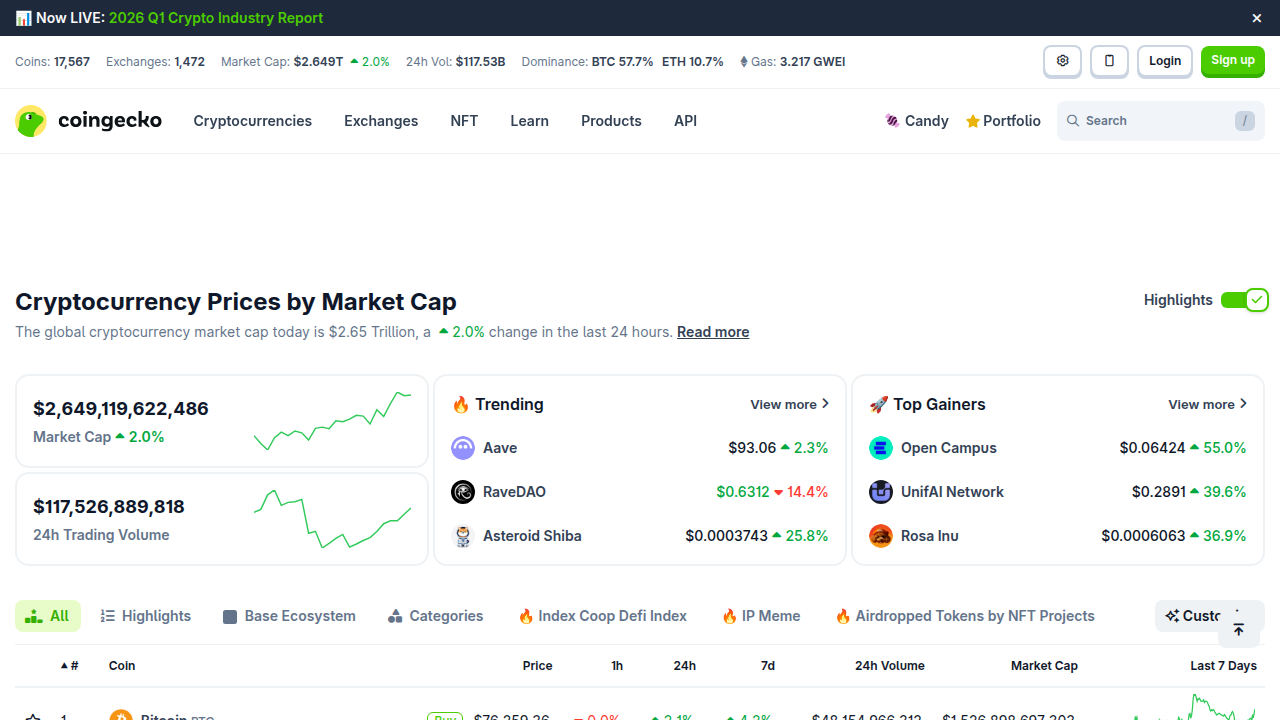
- Reserve Dashboards: These are like control panels that show you details about a stablecoin’s backing. They pull data from various sources to display reserve types, their value, and how often they’re updated. Platforms like CoinGecko and Nansen help users track market data and on-chain metrics, which include stablecoin information CoinGecko.
- On-Chain Telemetry Tools: These tools directly watch the blockchain. They track every stablecoin transaction, showing large transfers or changes in how people are using the coin. CryptoQuant, for instance, helps traders monitor stablecoin flows, giving insights into market sentiment and contributing to
what automated fundamental analysis in cryptocurrencyaims to understand BingX. - Liquidity Monitors: These tools focus on how easily a stablecoin can be traded on exchanges. They look at the "order books" to see if there’s enough activity to support big buy or sell orders without messing with the price too much.
- Third-Party Attestations: These are formal reports from independent companies that regularly check a stablecoin’s reserves. While not an app, these reports are crucial for trusting the data you see in reserve dashboards. Many compliance tools help stablecoin projects provide these important checks regularly Stablecoin Insider.
While a bitcoin price alerts app is handy for general market changes, when it comes to stablecoins, you need tools that focus on these specific health metrics. Understanding these tools and what they show you is a big step in managing your digital money safely. It helps you make smart choices, giving you a clearer picture than just guessing in a crypto prediction market. To dive deeper into checking stablecoins, our guide on stablecoin due diligence: the essential guide to risks and types is a valuable resource.
For more helpful crypto education and safety tips, the free Clicks and Trades newsletter is a great place to get clear guidance.
Ready to gain even more confidence in your crypto journey?
Sign Up today!
Now, after learning about how to check on stablecoins, let’s talk about how you can stay on top of other cryptocurrencies, like Bitcoin. The crypto market can move fast, so you don’t want to miss big changes. That’s where a good bitcoin price alerts app or service comes in handy. It lets you know when the price of Bitcoin or other coins reaches a certain point without you having to watch the screen all day.
Different Ways to Get Price Alerts
There are a few main ways you can get these helpful alerts, each with its own good points.
- Push Notifications (App Alerts): These are messages that pop up on your phone or tablet, usually from a crypto exchange or a dedicated alerting app. Many people find a good
bitcoin price alerts appto be the fastest way to get real-time updates [Traders Union]. For example, the Crypto.com app lets you set up these kinds of price alerts easily in 2026 [YouTube]. They are often very reliable and show you key information right away. - SMS Text Messages: You can also get alerts sent directly to your phone as text messages. This is great if you want to be sure you don’t miss an alert, especially if you’re not always checking your apps. When using SMS, it’s smart to follow best practices to make sure messages arrive on time and are clear [MagicBell]. Services like Cryptocurrency Alerting let you get SMS alerts after you verify your phone number [Cryptocurrency Alerting].
- Email Alerts: For less urgent updates, email alerts can be useful. You might set these up for daily summaries or bigger price moves that don’t need instant attention.
- Webhooks: If you’re a bit more tech-savvy or want to connect alerts to your own automated tools, webhooks are an option. They send data to another program or service when an alert condition is met. This can be part of
what automated fundamental analysis in cryptocurrencyaims to achieve for advanced users.
The speed and dependability of these alerts can depend on the app or service you choose, and also on your internet connection. Top-rated apps in 2026 often deliver push notifications promptly when conditions are met [gist.github.com/sogasr/db90f681ff3318b5fb0bcf469eefc7e6].
Smart Ways to Set Up Your Price Alerts
Just getting an alert isn’t enough; you need to set them up smartly so they truly help you.
- Set Clear Price Goals: Decide at what price you want to be notified. Do you want to know if Bitcoin goes above $70,000 or drops below $60,000? Setting clear "thresholds" helps make your alerts useful.
- Avoid Too Many Alerts: Imagine getting an alert every time Bitcoin’s price wiggles by a tiny amount. That would be annoying! This is where "debounce windows" come in. They tell the app to wait a bit after an alert is sent before sending another one for a similar
coin change. This stops your phone from buzzing constantly for small price bounces. - Use More Than One Condition: For more advanced insights, you can set alerts based on more than just price. For example, "alert me if Bitcoin’s price goes above $70,000 AND the trading volume is very high." This helps you understand bigger market moves better. This goes beyond a simple
crypto prediction marketand gives you actual data points. - Always Test Your Alerts: After setting up new alerts, do a quick test. Make sure they arrive on time and show the right information. A quick check can save you from missing an important market move later. Keeping your notification settings correct helps you stay informed without needing to check your app constantly [youtube.com/watch?v=CIrBJTYLO4].
Setting up reliable alerts is a key step in managing your crypto well. It helps you stay calm and make thoughtful decisions, whether you’re trying to avoid big losses or catch a good opportunity. It’s an important part of understanding what is cryptocurrency: clear definitions, types, and stablecoin safety. For more insights into market swings, you might also want to explore btc volatility and stablecoin trust: what 2026 investors must know.
To keep learning about crypto and make even smarter choices, join the free Clicks and Trades newsletter for step-by-step guidance.
Ready to gain even more confidence in your crypto journey?
Sign Up today!
Keeping an eye on Bitcoin’s price is one thing, but knowing if your stablecoins are truly safe is another big step. After all, stablecoins are meant to hold a steady value, usually matching the US dollar. But how do you know they really have enough assets to back up their promise? This is where looking at their transparency and reserve data becomes super important in 2026.
Evaluating Stablecoin Transparency and Reserve Data
To really trust a stablecoin, you need to understand what’s behind it. You want to see clear proof that the company holding your money has enough assets to cover all the stablecoins it has given out. This is called "backing" the stablecoin, and its value is tied to a pool of reserve assets [FinCEN PPSI Program].
How to Read a Reserve Report or Attestation
Many stablecoin companies share reports to show what they own. These are often called "reserve reports" or "attestations." Think of them as a special check-up done by an outside expert. Here’s what to look for:
- What’s in the piggy bank? The report should clearly list what kinds of assets the stablecoin holds. Is it mostly cash in a bank? Short-term government bonds, which are very safe? Or are there other things? You want to see assets that are easy to sell quickly without losing value, also known as liquid assets [Forvis Mazars].
- How often do they check? Look for reports that are recent and come out often. Monthly or even weekly reports are better than old ones. In 2026, transparency and regular attestations are key for stablecoins [GDF Annual Report 2025].
- Who checked it? A good report will be checked by a well-known, independent accounting firm. This "third party" makes sure the stablecoin company isn’t just making things up.
- Enough to go around? The most important thing is that the value of the assets they hold should be equal to or more than the value of all the stablecoins in circulation. This is called 1:1 backing.
- Keep it simple: Look for simple, safe assets. Cash and government bonds are usually good.
But watch out for red flags!
- Secret assets: If the report says "miscellaneous investments" or doesn’t clearly list what they own, that’s a warning sign. You want clear details, not opaque holdings.
- Tricky investments: Some stablecoins might invest in "complex instruments" or things that are hard to understand and sell. These can be riskier. The PwC Global Crypto Regulation Report 2026 talks about how important it is to look at stablecoin reserve asset composition [PwC Global Crypto Regulation Report 2026].
- Inside deals: Be careful if the stablecoin company invests in its own projects or other companies it’s connected to. This is called "related-party exposure" and can lead to conflicts of interest.
Third-Party Checks and On-Chain Proof
Knowing if a stablecoin is reliable comes from two main sources:
- Third-Party Attestations: These are the official reports we just talked about. An independent accounting firm reviews the stablecoin issuer’s records to confirm that the reported assets truly exist and are held as claimed. These audit reports and custody confirmations provide crucial third-party data for assessing stability [SEC.gov]. This helps build trust and ensures the company is following rules.
- On-Chain Reserve Evidence: This is where things get really cool and transparent. For some stablecoins, you can actually look at the blockchain itself to see the crypto assets they hold as reserves. It’s like seeing their digital safe in public. This provides real-time, verifiable proof for parts of their reserves, and anyone can check it.
These two methods work together. Third-party attestations give you an expert’s stamp of approval, like an official audit. On-chain evidence gives you direct, real-time proof for certain digital assets. When both of these check out, it gives you a much stronger feeling of safety and confidence in your stablecoins. It’s an important part of doing your due diligence for stablecoins to manage risk well. You can learn more about finding good stablecoins in our guide on stablecoin due diligence: the essential guide to risks and types.
Understanding these reports might seem a bit tricky at first, but it’s a vital skill for anyone dealing with digital money. For more help navigating the crypto world with step-by-step guidance, consider joining the free Clicks and Trades newsletter. It’s a great way to learn more about crypto and make even smarter choices.
Ready to gain even more confidence in your crypto journey?
Sign Up today!
Risk Framework: Assessing and Mitigating Stablecoin and Market Risks
Knowing what’s in a stablecoin’s piggy bank is super important. But that’s just one piece of the puzzle. To truly keep your digital money safe in 2026, you also need a plan for other kinds of risks. Think of it like building a strong house; you need good walls (transparency) and a strong roof (risk management).
Here’s a simple checklist to help you and your business think about risks:
- How much is too much? Don’t put all your digital money into one stablecoin or even just stablecoins in general. Decide how much you’re okay with investing. This helps you avoid losing too much if something unexpected happens.
- Don’t put all your eggs in one basket. If you use stablecoins, try to use different kinds, not just one. Also, have other savings or investments outside of crypto. This is called diversification, and it helps spread out your risk [papers.ssrn.com]. You can learn more about finding good stablecoins in our guide on stablecoin due diligence: the essential guide to risks and types.
- Can you get your money out fast? Always make sure you can easily change your stablecoins back into regular money if you need it. This is called liquidity. It’s important to know your exchange or platform won’t hold your funds hostage.
- Who are you dealing with? Check out the exchange or platform where you hold your stablecoins. Are they known to be safe and trustworthy? In March 2026, the Treasury updated its risk assessments, highlighting the ongoing need for careful checks when dealing with digital assets [home.treasury.gov].
It’s also smart to keep an eye on things and have a plan for quick action.
- Check-in often. Don’t just set it and forget it. You should regularly look at your stablecoins and the wider crypto market. This helps you catch problems early.
- Set up alerts. A good bitcoin price alerts app isn’t just for Bitcoin. It can also tell you about big changes in the whole crypto market, which might affect your stablecoins too. Some people even look at a crypto prediction market to get hints about future market moves, though this is a more advanced step. You want to know what automated fundamental analysis in cryptocurrency can do to help you understand a stablecoin’s health.
- Have an emergency plan. Some smart tools can even help you automatically. For example, you might set up an "auto-conversion trigger." This means if a stablecoin starts to lose its steady value, your funds could automatically switch to a safer stablecoin or regular money. This kind of quick "coin change" can protect you. Also, "alert escalation paths" make sure you get important warnings right away, and even tell someone else if things get very serious. Keeping an eye on stablecoin market value stability is key, as highlighted in reports like the PwC Global Crypto Regulation Report 2026 [pwc.de].
Understanding and planning for these risks can give you much more confidence in your digital money journey. For even more step-by-step help with crypto, think about joining the free Clicks and Trades newsletter. It’s a simple way to learn more and make smarter choices.
Ready to gain even more confidence in your crypto journey?
Sign Up today!
Integrating Alerts and Analytics into Small Business Treasury Operations
Now, let’s talk about how small businesses, or SMBs, can actually use alerts and smart tools to keep their stablecoins safe. It’s like having a helpful assistant always watching your digital money for you. Managing money for your business, also called treasury operations, means you need practical ways to stay on top of things.
In 2026, many tools are available to help. Here’s how you can make them part of your business’s money plan:
- Set Up Price Alerts: Just like you’d want to know if the stock market changes a lot, you need to know if stablecoin prices move unexpectedly. A good bitcoin price alerts app isn’t just for Bitcoin. Many of these apps let you set up alerts for stablecoins too. They can send you a message if a stablecoin’s value drops or if there are big changes in the crypto market that could affect your stablecoins. This way, you don’t have to check prices all the time. Learning how to set up these notifications can be really helpful to stay informed without constant checking [youtube.com].
- Use Simple Analytics: Understanding what your stablecoins are doing can seem tricky. But some tools can help you with what automated fundamental analysis in cryptocurrency means. This just means the tool looks at important facts about a stablecoin to see if it’s healthy, like checking its reserves or how often it’s used. This helps you get a quick health report without being a crypto expert. Using these tools helps businesses smoothly integrate stablecoins into their money management [alphapoint.com].
- Have an Emergency Plan with "Coin Change": Imagine if a stablecoin starts to lose its value. Some advanced systems let you set up an "auto-conversion trigger." This means if a stablecoin starts to "de-peg" (lose its steady value), your funds could automatically switch to a safer stablecoin or even back to regular money. This quick "coin change" helps protect your business’s money fast.
Choosing the Right Tools and Partners
When your business decides to use stablecoins and these helpful tools, you’ll need to pick the right partners. Here’s a simple checklist for SMBs:
- Good Support: Can you easily get help if you have questions or problems? You want a team that understands small businesses and can explain things simply.
- Easy to Connect (APIs): Some tools can connect with your existing accounting software. This makes it easier for your stablecoin activities to fit right into how you already manage your money [apideck.com].
- Clear Agreements (SLAs): Look for partners who are clear about how well their service will work. They should tell you how reliable their alerts are and how quickly they respond if something goes wrong. This is especially important as rules around stablecoins become clearer in 2026 under new acts like the GENIUS Act [home.treasury.gov].
- Trust and Security: Make sure the platform you use is known for being safe and follows all the rules. You want to make sure your digital money is protected. You can learn more about picking trustworthy platforms in our guide on avoiding mistakes when choosing a crypto trading platform.
By using alerts and simple analysis, and by choosing good partners, your small business can manage stablecoins with much more peace of mind. For even more step-by-step guidance on navigating the world of crypto safely, consider joining the free Clicks and Trades newsletter. It’s a great way to keep learning and make smarter choices for your digital assets.
Ready to gain even more confidence in your crypto journey?
Sign Up today!
It’s easy to feel worried when you hear rumors about your money, especially with stablecoins. Sometimes, false information can spread very quickly, especially if a stablecoin starts to "de-peg," meaning it loses its steady value against the dollar. This can happen if there are big sales or problems with the money backing the stablecoin [arxiv.org]. Knowing how to find the real facts from all the noise is very important for your business.
Here’s how to check claims and make sure you’re getting the right information:
How to Tell What’s True and What’s Not
When something big happens in the crypto world, rumors can fly. This is where you need to be smart and verify things. Panic can make people act without thinking, so checking facts is key.
- Look at Many Places (Source Triangulation): Don’t just trust one post on social media or one news story. Check several different trusted news sites about crypto or big financial news outlets. When many reliable places say the same thing, it’s more likely to be true. Crypto analytics tools, for example, gather data from many sources to give you a full picture [ezblockchain.net].
- Check the Blockchain (On-Chain Proof): This might sound fancy, but it just means looking at the public records of transactions for stablecoins. Many stablecoins have information you can check on the blockchain, like their reserves or how many transactions are happening. Tools that help you with "what automated fundamental analysis in cryptocurrency" can make this easier. These tools look at important data points to give you insights into a stablecoin’s health [bydfi.com]. They can show you real-time information, helping you see if a stablecoin’s backing is truly changing or if it’s just talk.
- Read Official Announcements: The companies that create stablecoins, or even government groups that watch over them, will often put out official statements. In 2026, rules around stablecoins are becoming clearer, thanks to new acts like the GENIUS Act, which means official sources like the US Treasury will provide important updates [home.treasury.gov]. Always check their websites or trusted news that reports directly from these official sources.
Using tools you already know about can help a lot here. For example, a good bitcoin price alerts app (many of which also track stablecoins) will give you alerts based on real market changes, not just rumors. This can help you separate actual price drops from baseless fear. If you’ve been considering using a "coin change" strategy, where your stablecoins automatically move to a safer option, you want that action to be based on verified information, not just gossip.
Learning how to properly check these things helps you make calm, smart decisions for your business, especially during rocky times. This way, you can protect your digital assets more effectively.
For more step-by-step guidance on understanding crypto and keeping your funds safe, consider joining our free newsletter. It’s a great way to stay informed and make confident choices for your digital money.
Ready to gain even more confidence in your crypto journey? Sign Up today!
Summary
This article explains why crypto analytics and reliable price‑alert tools are essential for anyone using digital assets, especially stablecoins and small businesses. It shows where analytics get their data—on‑chain flows, exchange order books, and reserve attestations—and what makes those tools trustworthy, such as provenance, auditability, and refresh cadence. You’ll learn specific stablecoin health metrics to watch (reserve composition, peg drift, outstanding liabilities, market depth) and the practical tools that surface that data. The guide covers how to set timely, useful Bitcoin and stablecoin alerts, how to avoid alert fatigue, and how to integrate alerts into a business treasury with APIs, SLAs, and emergency auto‑conversion triggers. It also explains how to read reserve reports and on‑chain evidence, what red flags to watch for, and a simple risk framework for diversification and liquidity. By the end you’ll know which signals to monitor, how to verify claims quickly, and how to pick tools and partners to keep your crypto holdings safer.