
Which Crypto to Invest in 2026: The Simple 5-Pillar Method
Navigating Crypto Investment in a Complex Market
Deciding which crypto to invest in can feel overwhelming. The market is huge, moves fast, and is filled with noise.
From whispers about the next Bitcoin to hype around the latest memecoin, it’s easy to feel lost. If your main goal is to protect your money while exploring opportunities, this confusion is a real problem.
Here’s the thing. In 2026, the landscape is more mature but also more complex. While [Bitcoin remains the most widely held asset
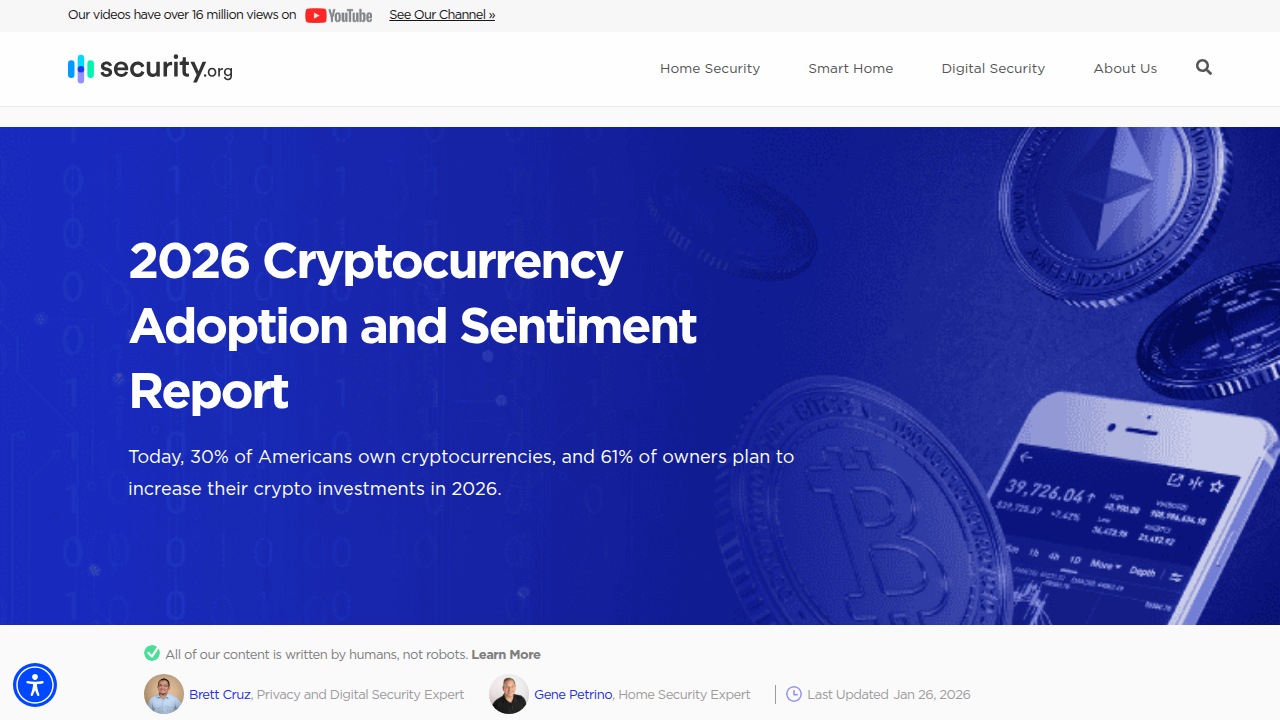
](https://www.security.org/digital-security/cryptocurrency-annual-consumer-report/), new investors often rush into decisions without a solid plan. They might chase a trending Solana coin or a viral Brett coin, driven by social pressure rather than research. This is a classic misstep, as highlighted in guides on common cryptocurrency mistakes. At the same time, risks are real; reports note that billions were lost to scams and hacks just last year.
True, sustainable investing in this space is built on two pillars: trust and transparency. Yet these are often buried under technical jargon and promotional hype. So, how do you cut through the noise? You need a clear, step-by-step framework.
This guide provides exactly that. We’ll give you an evidence-based method to evaluate any cryptocurrency, from major ones like Binance Coin and XRP to newer contenders. We place a special focus on understanding stablecoins, like those behind the massive Tether market cap, because they are crucial for portfolio stability and practical use. Learning how to inspect them is your first defense against volatility and risk.
It’s a lot to take in, but you don’t have to figure it out alone. For straightforward, step-by-step crypto education and safety tips delivered to your inbox, consider joining our free community. You can Sign Up for the Clicks and Trades newsletter to continue building your knowledge with clear, trustworthy guidance.
The 2026 Cryptocurrency Investment Landscape: Key Trends and Realities
The noise and confusion you feel is real. But stepping back, 2026 is a year of clear shifts. It’s no longer just about speculating on the next Bitcoin or chasing a viral memecoin. The market is maturing, driven by big, structural changes. Understanding these trends is your first step to making smarter choices about which crypto to invest in.
Major Institutions Are Now All-In
For years, people asked if big financial firms would ever truly embrace crypto. In 2026, that question is answered. We are in what analysts call the "dawn of the institutional era". Major banks, asset managers, and hedge funds are no longer just watching. They are integrating cryptocurrencies into their core operations and investment portfolios. As CFRA Research notes, 2026 marks crypto’s transition from a speculative asset to institutional infrastructure. This brings more money, but also more stability and professional scrutiny to the space.
Regulation: Clarity is Emerging
The regulatory fog is starting to lift in key markets. Clearer rules are making it safer for both institutions and everyday investors to participate. This doesn’t mean regulation is uniform everywhere, but the path forward is becoming more visible. According to the World Economic Forum, this regulatory clarity is a major factor facilitating increased adoption and scalability of digital assets.
Stablecoins Are No Longer Just a Trading Tool
Remember when stablecoins were mostly used to move between other coins on an exchange? That has changed completely. In 2026, stablecoins are a foundational part of the financial landscape. Their massive collective market cap, led by giants like Tether, reflects their new role. They are now used by individuals for saving and by businesses for treasury management and global payments. They’ve moved from the sidelines to the core of many crypto strategies. This shift is so significant that institutional adoption is creating a multi-billion dollar revenue opportunity centered on stablecoins.
A Market of Concentration and Volatility
Despite this maturity, the crypto market remains a place of extreme concentration and sudden moves. A handful of assets, like Bitcoin, Ethereum, Solana, and Binance Coin, still command a huge portion of the total market value. This means news or price swings in these major coins can still pull the entire market up or down. At the same time, sectors like top AI crypto coins or trending tokens such as Pepe Coin and Brett Coin can experience explosive, sentiment-driven rallies and drops. The potential for high rewards exists alongside the reality of high risk.
What This Means for You
These trends create a new reality. The "crypto to buy now" isn’t just about a hot tip. It’s about understanding where the smart money is flowing and how the underlying rules of the game are being written. The rise of institutions means more competition but also more legitimacy. The evolution of stablecoins means you have powerful tools for managing risk right within the ecosystem.
Navigating this new landscape requires a calm, informed approach. You need to separate lasting trends from short-term hype.

For clear, step-by-step guidance that helps you build knowledge safely, consider joining our free community. You can Sign Up for the Clicks and Trades newsletter to get trustworthy crypto education and safety tips delivered directly to you.
A Trust-First Framework for Evaluating Any Cryptocurrency
With thousands of coins and tokens out there, how do you know which crypto to invest in? The noise can be overwhelming. You hear about the next Bitcoin, top AI crypto coins, or the latest memecoin trading frenzy. The key to cutting through that noise is having a simple, reliable system.
Think of it like a checklist before you buy a car. You wouldn’t just buy it because it looks cool. You’d check the engine, the history, and the safety features. Evaluating a cryptocurrency should be the same. Using a framework helps you focus on what matters, saving you time and protecting you from risky hype.
Here is a straightforward, five-pillar framework you can use to evaluate any digital asset, from Solana to stablecoins like Tether.
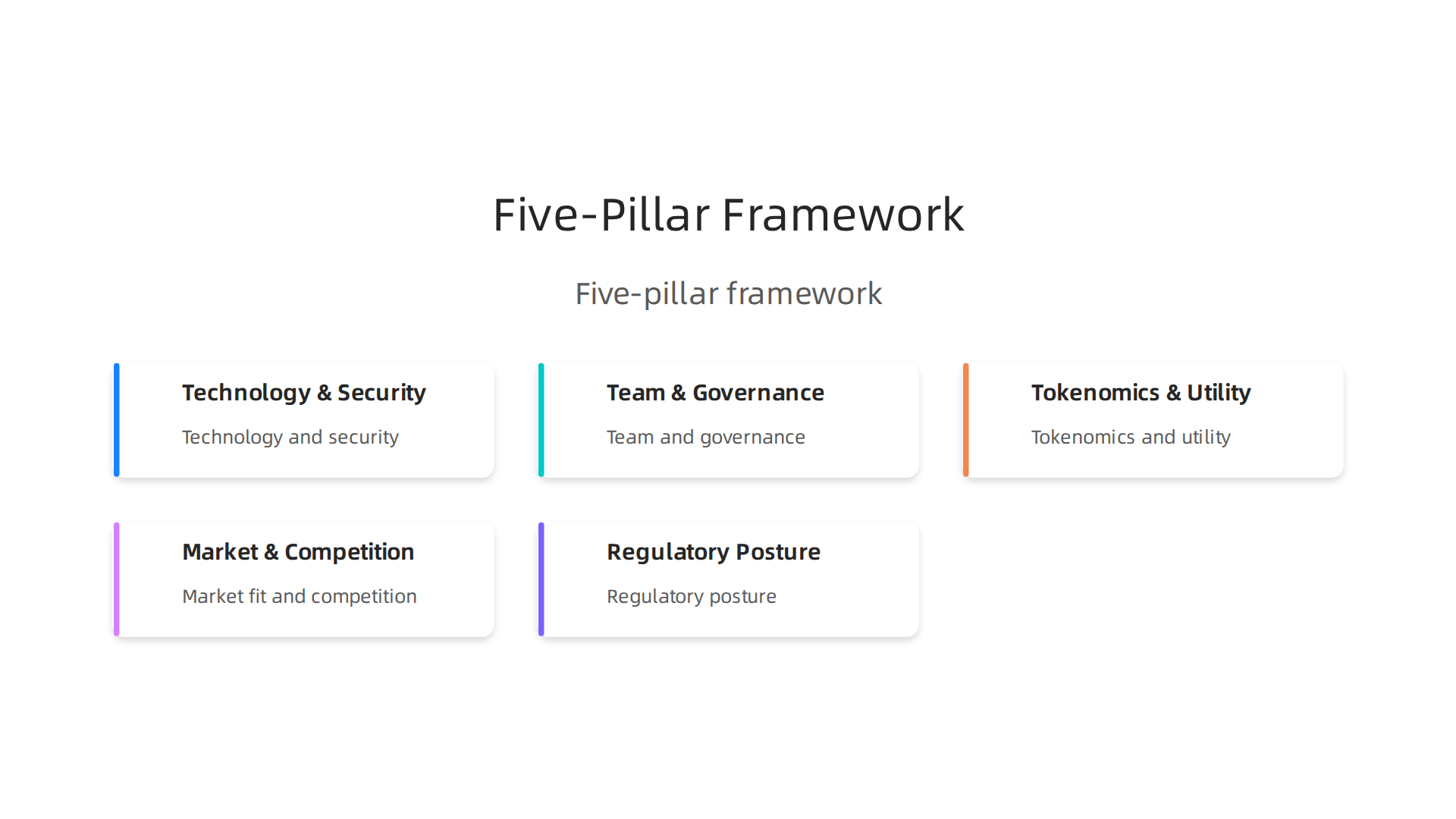
1. Technology and Security
This is the engine. What does the project actually do, and is it built well?
- Does it solve a real problem? Is it faster, cheaper, or more useful than what exists?
- Is the network secure? How does it prevent attacks? A strong focus on cybersecurity is non-negotiable, as transactions on a blockchain are permanent.
- Is the code open for review? Transparent, open-source projects allow experts to check for flaws.
2. Team and Governance
This is the driver. Who is behind the wheel?
- Is the team public and experienced? Look for founders and developers with proven track records.
- How are decisions made? Does a central company call all the shots, or do token holders have a say? Good governance is a sign of a mature project.
3. Tokenomics and Utility
This is the fuel. What is the coin’s purpose and economic model?
- Why does the token exist? Is it used to pay for services on the network, for voting, or something else? A token with clear utility is stronger.
- What is the supply? How many coins exist now, and how many will exist in the future? Understanding supply helps you make sense of prices for assets like Pepe Coin or XRP.
4. Market Fit and Competition
This is the road test. Does anyone actually use it?
- Is there a growing community? Look at developer activity, social media engagement, and real-world adoption.
- Who are its competitors? How does it compare to similar projects like Cardano or Binance Coin? A project needs a clear reason to exist.
5. Regulatory Posture
This is the rulebook. Where does it stand with the law?
- Is the project proactive about compliance? In 2026, clear rules are emerging. Projects that work with regulators are less likely to face sudden legal issues.
- Where is it available? Can you buy it easily on regulated platforms in your country? This directly affects your ability to invest.
This process is called due diligence, and it’s your most powerful tool. It moves you from asking "what is the best currency to invest in?" to knowing exactly why an asset might be a good fit for you. Professionals use structured checklists for this exact reason.
You don’t need to be an expert to start using this framework. Begin by asking these questions about any coin you’re considering, whether you’re looking at a Solana price chart or a Ripple price prediction. It turns a confusing market into a series of clear, logical steps.
For a hands-on guide that breaks this down even further, including ready-to-use checklists, explore the educational resources from our partner, Clicks and Trades. They specialize in turning complex crypto topics into simple, actionable steps for beginners. To get this kind of clear guidance and safety tips sent directly to you, Sign Up for their free newsletter.
Deep Dive: The 5 Pillars of Crypto Due Diligence
Now, let’s get into the details. This framework helps you answer the big question: which crypto to invest in for the long term? It moves you past hype and helps you build a solid shortlist. Here is a deeper look at each pillar.
Pillar 1: Technology & Security
This is about checking the engine and the locks on the doors. A flashy website or a catchy name like "the new bitcoin to invest in" means nothing if the tech is weak.
- Assess the Blockchain: Is it fast, cheap, and scalable? Can it handle many users? Look at real performance data, not just promises.
- Review Smart Contract Audits: For projects like many top AI crypto coins, the code is everything. Have their smart contracts been reviewed by respected security firms? A lack of audits is a major red flag.
- Check Past Incidents: Has the network been hacked? How did the team respond? Remember, once a transaction is on a blockchain, it’s permanent, so cybersecurity is non-negotiable.
Pillar 2: Team & Governance
Who is building this, and who is in charge? An anonymous team behind a memecoin trading frenzy is a very different risk than a public team with decades of experience.
- Evaluate the Founders: Are their names and professional histories public? Do they have a proven track record in tech or finance?
- Understand Decision-Making: Is the project run by a single company, or do token holders get to vote on key changes? Transparent governance, often detailed in a project’s documentation, is a sign of maturity and a critical part of fintech due diligence.
Pillar 3: Tokenomics & Utility
Why does this coin exist? Is it just for speculation, or does it have a real job?
- Analyze Supply Mechanics: What is the total and circulating supply? Is there a fixed cap like Bitcoin, or does it inflate over time? This directly impacts long-term value.
- Identify Real Use Cases: Is the token used to pay for services, vote on upgrades, or earn rewards within an app? A token with clear, growing utility is stronger than one relying only on market sentiment, whether you’re looking at Pepe coin price or evaluating a Brett coin.
Pillar 4: Market Fit & Competition
Does this project solve a real problem that people will pay for? Imagine you’re a business. You’d conduct due diligence to assess market position before investing.
- Define the Problem: What specific issue does this crypto solve that isn’t solved well already?
- Size Up the Competition: How does it compare to established players like Solana coin, crypto Cardano, or Binance coin? It needs a clear advantage.
- Gauge Adoption: Look for growing numbers of active users, developers building on the platform, and partnerships. A large community is good, but real usage is better.
Pillar 5: Regulatory Posture
In 2026, you can’t ignore the rules. A project’s stance on regulation can make or break its future.
- Review Compliance Efforts: Is the project proactive? Do they work with regulators and have clear policies? Projects that ignore this area risk sudden legal issues that can freeze your assets.
- Understand Jurisdictional Risk: Where is the team based? Where is the token available? Some regions have much clearer rules than others. This due diligence process is a critical tool for maintaining integrity in the whole ecosystem.
Using these five pillars turns a chaotic search into a clear investigation. It helps you compare a Ripple price prediction with a new crypto to buy now on a level playing field. The goal isn’t to find a perfect project, but to understand the risks and strengths of each one you consider.
Putting this into practice is easier with a structured checklist. You can find helpful templates, like this Crypto Asset Due Diligence Checklist, to guide your research.
For a simpler, step-by-step breakdown of how to apply this framework to your own decisions, the team at Clicks and Trades offers clear, beginner-friendly guidance. They help translate complex topics into actionable steps. To get useful insights and safety tips delivered directly to you, you can Sign Up for their free educational newsletter.
Why Stablecoins Are a Non-Negotiable Piece of Your 2026 Strategy
After using our due diligence pillars to research potential investments, you might wonder which crypto to invest in for growth. But there’s another essential piece of the puzzle: stability. In 2026, knowing how to use stablecoins is just as important as picking the next top AI crypto coin.
Think of stablecoins as digital dollars. Their value is pegged to a stable asset, like the US dollar. This makes them a safe harbor when the market gets wild. While you’re watching Pepe coin price swings or considering a Ripple price prediction, having stablecoins in your portfolio lets you park value safely.
For Individuals: Your Personal Financial Tool
For you as an investor, stablecoins are more than just a safe spot. They are active tools.

- A Safe Harbor: When memecoin trading gets too hectic or you’re unsure if you should you invest in bitcoin now, you can quickly move funds into a stablecoin. This protects your capital from volatility without cashing out to your bank.
- Earn Passive Yield: Many platforms let you earn interest on your stablecoin holdings, often at rates higher than traditional savings accounts.
- Dollar-Cost Average Easily: Want to buy more Solana coin or crypto Cardano over time? You can hold funds in stablecoins and set up automatic purchases, making it easier to stick to a plan.
For Small Businesses: A Modern Treasury Advantage
For businesses, stablecoins are becoming a competitive necessity. Experts note that stablecoins dramatically decrease settlement times and costs for cross-border payments, a key driver for corporate adoption in 2026. Here’s how they help:
- Faster, Cheaper Global Payments: Send money anywhere in the world in minutes for a fraction of traditional wire transfer fees. This is a game-changer for paying international contractors or suppliers.
- Programmable Treasury Management: Imagine setting rules for your company’s cash reserves to earn yield automatically or release funds when certain conditions are met. Stablecoins on blockchain make this possible.
- Engage Crypto Without the Risk: A business can accept payments in crypto like Binance coin or XRP coin and instantly convert a portion to stablecoins to avoid exposure to price swings.
The Critical Warning: Not All Stablecoins Are Equal
With great utility comes great responsibility. The tether market cap might be huge, but size alone isn’t a guarantee of safety. You must apply due diligence here, too.
The critical need is to differentiate between high-quality, transparent stablecoins and those with opaque reserves or unsustainable models. Look for regular, verified audits and clear information on what backs the coin. This process is a non-negotiable step for protecting your funds.
Understanding these concepts is key to using crypto wisely. For clear, step-by-step guidance on evaluating stablecoins and other assets, the team at Clicks and Trades offers trustworthy, beginner-friendly education. To get practical safety tips and insights delivered directly to you, Sign Up for their free newsletter.
How to Vet a Stablecoin: Reserves, Audits, and Peg Mechanisms
So you know you need stablecoins. But with hundreds to choose from, how do you pick a good one? This isn’t about chasing the next top AI crypto coin or memecoin trading frenzy. It’s about finding a safe, reliable digital dollar. Choosing the wrong stablecoin can be riskier than picking a volatile crypto to buy now.
Think of it this way. You wouldn’t store your savings in a bank without knowing it’s insured. You apply the same care here. By learning to inspect three key things, you protect your money and gain peace of mind.
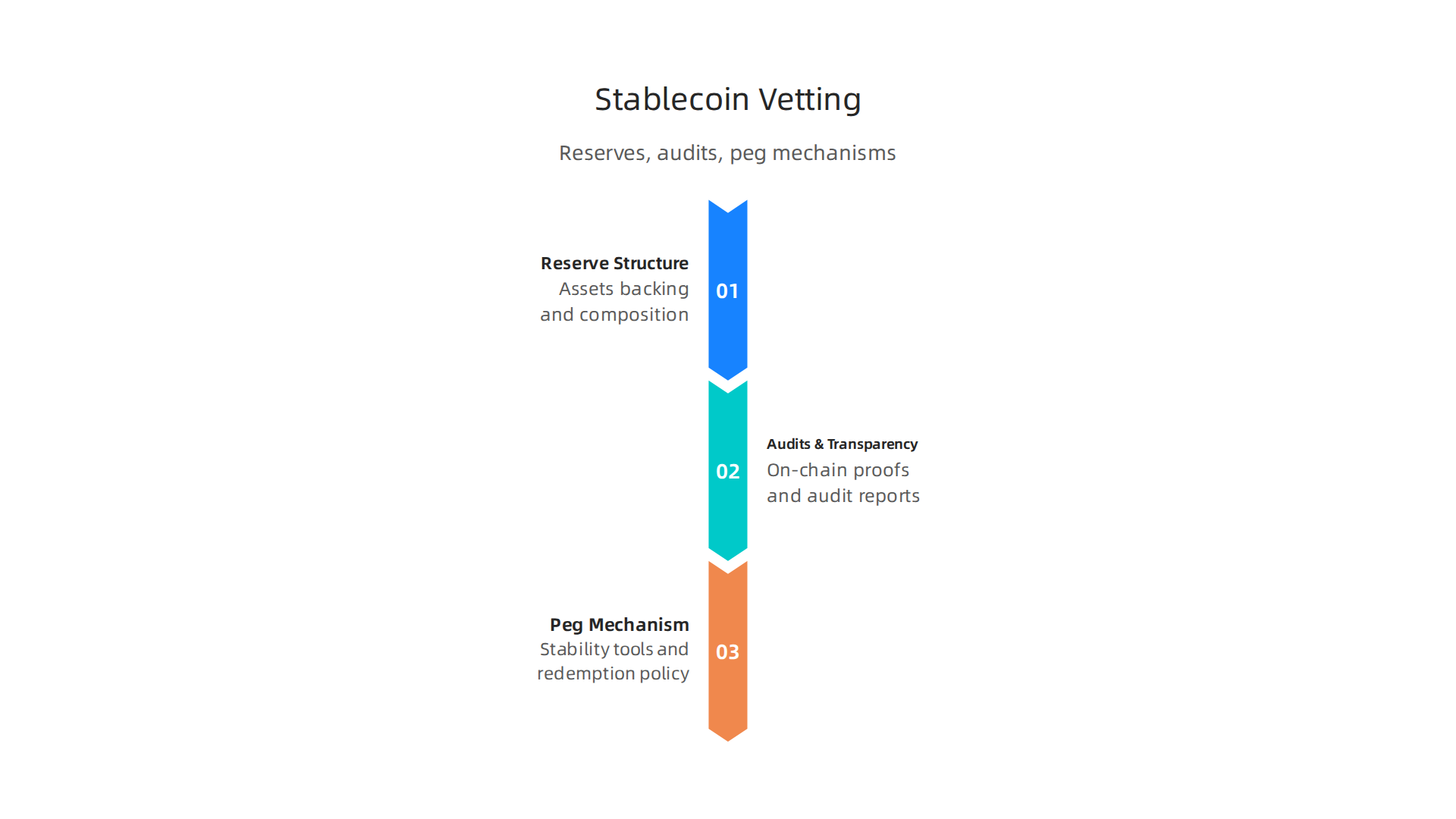
1. Decoding Reserve Structures: Where’s the Money?
Every stablecoin claims to be worth $1.00. But what’s actually backing that promise? The "reserves" are the assets held to support the coin’s value. There are three main types, each with a different risk level.
- Fiat-Backed (Like USDC or a well-run USDT): This is the most common and straightforward model. For every $1 of stablecoin issued, the company holds $1 in a bank account (like US dollars) or in very safe short-term bonds. Your main risk is trusting the company to hold those funds securely and transparently. Look for coins that are fully backed by cash and cash-equivalents.
- Crypto-Collateralized (Like DAI): These stablecoins are backed by other cryptocurrencies, like Ethereum or Solana coin. Because crypto prices swing, these stablecoins are often "over-collateralized." This means they hold $1.50 or $2.00 in crypto for every $1 stablecoin issued, as a buffer. The risk here is if the backing crypto’s value crashes very quickly, the stablecoin could become under-collateralized.
- Algorithmic (The Riskiest Model): These have no direct cash or crypto reserves. Instead, they use complex computer code and financial incentives to try to keep the price at $1. If demand falls, the system might automatically burn tokens or mint new ones to adjust supply. History shows these models can fail dramatically during market stress.
The best currency to invest in for stability is one with a simple, transparent, and trustworthy reserve structure. Fiat-backed models are generally considered the safest for everyday use and saving.
2. The Gold Standard of Transparency: Reading the Reports
A company saying "trust us, we have the money" isn’t enough. You need proof. This is where third-party reports come in. But not all reports are created equal.
- Attestation Reports: These are more common and less rigorous. An accounting firm is hired to check, at a specific point in time, whether the company’s claim about its reserves seems accurate. It’s a snapshot, not a deep forensic audit. It’s better than nothing, but it’s not the strongest guarantee.
- Full Reserve Audits: This is the gold standard, but it’s rarer. A full audit involves thorough testing of internal controls, verification of assets over a period, and a formal opinion on the financial statements. It gives much higher confidence that the reserves are real and properly managed.
In 2026, transparency is non-negotiable. When you research a stablecoin, don’t just check if a report exists. Click the link. See who did it (a major firm like Grant Thornton or Deloitte adds credibility). Check the date (it should be recent). Look for the phrase "assets exceed liabilities" or "fully backed." If this information is hard to find or confusing, consider it a major red flag.
As stablecoins become a key bridge between traditional and digital finance, this level of scrutiny is becoming standard for responsible investors and businesses alike.
3. Mechanisms for Maintaining the Peg: What Happens in a Storm?
The "peg" is the $1.00 value. A "de-pegging" event is when the price falls significantly below $1 (like to $0.97 or lower). This is what you want to avoid. Understanding how a stablecoin is designed to handle stress tells you a lot about its strength.
- Direct Redemption: The strongest mechanism. If you hold 1 stablecoin, you can always send it back to the issuing company and receive $1 in return (often with a small fee). This creates a powerful economic force that keeps the price at $1. If the price dips, traders buy the cheap coin to redeem it for a profit, pushing the price back up.
- Arbitrage Opportunities: For crypto-backed or algorithmic coins, the system relies on traders to profit from price differences, which should correct the peg. This works until it doesn’t, especially in a panic.
- Historical Analysis is Key: Look at the coin’s price chart over time. Has it ever de-pegged? During major market crashes or bank failures (like in 2023), what happened? A stablecoin that held its peg through a crisis has proven its design. One that briefly dipped but had clear, working mechanisms to recover is also a good sign.
Vetting a stablecoin might seem technical, but it’s a fundamental skill. It protects the foundation of your crypto strategy, whether you’re saving, earning yield, or just pausing before deciding should you invest in bitcoin now.
This process of breaking down complex topics into simple, actionable steps is exactly what we focus on at Clicks and Trades. We turn confusing jargon into clear guidance. For straightforward articles, checklists, and safety tips delivered to your inbox, Sign Up for our free newsletter. It’s the easiest way to build your knowledge confidently, one step at a time.
Analysis of Cryptocurrency Candidates for 2026 Consideration
So, you’re thinking about which crypto to invest in. It’s a big question. The market is full of noise, from predictions about the new bitcoin to invest in to the latest pepe coin price movements.
This isn’t about giving you a simple buy list. That’s not helpful or responsible. Instead, let’s apply a sensible framework to look at different categories. Think of it as building a watchlist based on real-world trends and fundamentals, not hype.
A key theme for 2026 is broad institutional adoption. Major analysts note that 2026 marks crypto’s transition from speculative asset to institutional infrastructure. This doesn’t mean every coin will soar. It means the criteria for evaluation are changing.
Here’s how we might categorize and think about major candidates this year.
1. Major Store-of-Value Assets
This category is for assets viewed primarily as digital gold or long-term holds.
- Bitcoin (BTC): The original. The question should you invest in bitcoin now is often about timing and conviction. In 2026, its role is clearer than ever as a foundational, institutional asset, especially with widespread ETF availability. Its evaluation is less about tech and more about macro adoption.
- Ethereum (ETH): Often sits between a store-of-value and a platform. Its shift to a proof-of-stake network and its dominance in decentralized finance give it a unique, hybrid role for investors.
2. Leading Smart Contract Platforms
These are the engines for applications, from DeFi to digital collectables. Competition is fierce.
- Solana (SOL): Known for high speed and low costs. Solana coin has carved a major niche, especially for consumer-focused apps. The key watch point is network reliability under heavy load.
- Cardano (ADA): Crypto Cardano takes a methodical, research-driven approach. It appeals to those prioritizing security and peer-reviewed development over raw speed.
- BNB Coin (BNB): The fuel for the Binance Smart Chain and the massive Binance exchange ecosystem. Its value is tightly linked to the activity and success of the Binance platform itself.
3. High-Transparency Stablecoins (The "Cash" Equivalents)
After learning how to vet them, which ones pass the test? This is about safety, not speculation.
- USDC & Well-Managed USDT: For many, these are the benchmarks for fiat-backed stability. The focus is on the quality and transparency of their reserves, which we now know how to check.
- DAI: The leading decentralized, crypto-backed option. It’s a complex but resilient system that represents a different approach to achieving a stable peg.
When considering crypto to buy now, whether it’s a major platform like XRP Coin or an established name, the process is more important than the pick. You look at its use case, its traction, and how it fits into the wider shift analysts are seeing, where crypto is shifting from a ‘speculative’ narrative to structured institutional allocation.
This kind of structured thinking helps cut through the chaos. If you find this framework useful and want more step-by-step guides to navigate crypto safely, consider joining our free newsletter at Clicks and Trades. We break down complex topics into clear, actionable steps. Sign Up for straightforward insights delivered to your inbox.
Stablecoin Candidates: Focusing on Transparency and Adoption
After looking at speculative assets, let’s talk about safety. When you think about which crypto to invest in, your cash position matters just as much as your moonshots. That’s where stablecoins come in. They are not for making huge gains. They are for parking money safely in the crypto world, like a digital dollar in your pocket.
For 2026, the old advice of "just pick the biggest one" isn’t enough. The focus has sharpened on two things: transparency and real-world adoption. Let’s evaluate a few leading candidates using these lenses.
The Transparency Leader: USDC (USD Coin)
USDC is often the benchmark for a well-managed, fiat-backed stablecoin. Its parent company, Circle, provides regular, detailed reports on its reserves, which are held in cash and short-term U.S. Treasuries. This level of openness is a major reason businesses and cautious individuals prefer it. For anyone wondering about the best currency to invest in for stability, USDC’s model is the gold standard for transparency.
The Market Leader: USDT (Tether)
You can’t talk about stablecoins without mentioning Tether. It has the largest tether market cap by a wide margin and is deeply embedded in global crypto trading. However, its history has sparked questions about its reserves. In recent years, Tether has increased its transparency efforts with regular attestations. The key is understanding that its reserve composition can include other assets beyond just cash. Its massive adoption gives it utility, but informed users monitor its disclosures closely.
The Decentralized Choice: DAI
DAI operates differently. It’s not issued by a single company. Instead, it’s created through a decentralized system where users lock up other crypto assets (like Ethereum) as collateral. This makes it resilient but also more complex. Its value is maintained through automated smart contracts. For users who prioritize decentralization over simplicity, DAI represents a powerful, trust-minimized model.
Newer, Regulated Options
The landscape in 2026 also includes newer entrants designed specifically to meet strict regulatory standards, often launched by traditional financial institutions. These are worth watching for institutional adoption, though they may have lower current market usage.
Key Considerations for 2026
- Centralized vs. Decentralized: USDC and USDT are centrally governed by their issuers. DAI is governed by a decentralized community. Your choice depends on what you trust more: a company’s audits or a decentralized system’s code.
- Reserve Assets: Are reserves purely cash and government bonds, or do they include riskier commercial paper or loans? This directly impacts stability.
- Regulatory Treatment (U.S. vs. Non-U.S.): This is crucial. For U.S. persons and businesses, using stablecoins from issuers that proactively engage with U.S. regulators may reduce future compliance risk. Non-U.S. users have a broader field but should still prioritize transparency. Regulatory clarity is still evolving everywhere.
Choosing a stablecoin isn’t about finding the new bitcoin to invest in. It’s a practical decision for managing risk. In 2026, the winners will be those who don’t just look at the 1:1 peg, but who understand what’s backing it and who stands behind it.
Feeling overwhelmed by terms like "reserve attestations" or "collateralization ratios"? You’re not alone. We built a free newsletter at Clicks and Trades to break down these complex topics into clear, actionable steps. We help you move from confused to confident. Sign Up for straightforward guides delivered to your inbox.
Beyond Stablecoins: Evaluating Volatile Assets for Growth Potential
Now we move from safety to potential. Stablecoins are for your cash. But when you ask which crypto to invest in for growth, you’re looking at a different game entirely.
These assets can swing in price dramatically. That’s where the potential for bigger gains comes from, and also where the bigger risks live. To navigate this, you need a simple framework. Don’t just chase the latest hype about the top ai crypto coins or the newest memecoin trading sensation. Look deeper.
Here’s a straightforward way to evaluate any volatile asset, using two quick examples.
Example 1: The Smart Contract Platform (Like Solana)
Platforms like Solana coin are the engines of the crypto world. They power apps and tokens. Here’s how you might think about it:
- What Problem Does It Solve? It aims to be very fast and cheap for developers to build on.
- Is There Real Use? Look at how many active users and developers are building real projects on it, not just trading the token.
- Who Is The Team? Is there a strong, transparent team and community supporting its development?
- What’s The Competition? How does it compare to others like Ethereum or crypto cardano?
- Can It Handle The Future? Has the network been stable, or has it had major outages or security problems?
Example 2: A DeFi Protocol Token
These tokens give you a stake in a decentralized finance app, like a lending service or a trading exchange. They are often more complex.
- What Problem Does It Solve? Does the app let people do something useful, like earn interest or trade easily?
- Is There Real Use? Check the total value locked in the protocol. Is real money being used there?
- How Does The Token Work? Do you need the token to use the app? Does holding it give you a share of the fees?
- What Are The Risks? Smart contract risk is huge. A single bug can lead to massive losses. In early 2026, reports showed the market losing tens of millions to hacks and exploits in just one month.
- Who Is Behind It? Is the project anonymous or well-known? Anonymous teams can sometimes lead to "rug pulls," where developers disappear with investor funds.
The Golden Rules for Volatile Assets
This higher risk means you must manage your money differently.
- Position Sizing is Everything. This should not be the money you need for rent or bills. It should be a small part of your overall portfolio that you can afford to lose. Never bet everything on finding the new bitcoin to invest in.
- The Landscape Changes Fast. What’s a good project today might be outdated tomorrow. A competitor with better technology can emerge. New regulations can change everything. You can’t just buy and forget. You need to check in on your investments regularly.
- Security is Your Responsibility. When you invest in these assets, you often move them to a personal wallet. This puts the security on you. Billions were stolen from crypto platforms and users in 2025, highlighting that the environment is still risky. Always use strong passwords, two-factor authentication, and be extremely cautious with links and offers.
Evaluating crypto to buy now requires more homework than just checking a price chart. It’s about understanding the project’s purpose, its real-world use, and the team behind it. The goal isn’t to avoid risk completely, but to take smart, calculated risks that you understand.
If this feels like a lot to track on your own, you’re not alone. Getting clear, step-by-step guidance can make all the difference. For straightforward breakdowns of complex topics and safety tips sent right to your inbox, join our free community at Clicks and Trades. It’s designed to help you move from confused to confident. Sign Up for free today.
Essential Risk Management and Security Practices
You’ve figured out which crypto to invest in. You’ve done the homework on your solana coin or your top ai crypto coins. That’s a huge step. But in 2026, buying is only half the job. The other half is protecting what you own. Think of it like this: you wouldn’t buy a nice car and then leave the keys in the ignition with the doors unlocked.
The crypto world, while full of opportunity, is also a target. In 2025 alone, over $3.4 billion was stolen from users and platforms. Hacks, phishing scams, and simple mistakes are still a daily reality. Good risk management is what separates a thoughtful investor from a statistic.
Here are the three pillars you need to focus on: your portfolio, your security, and the rules.
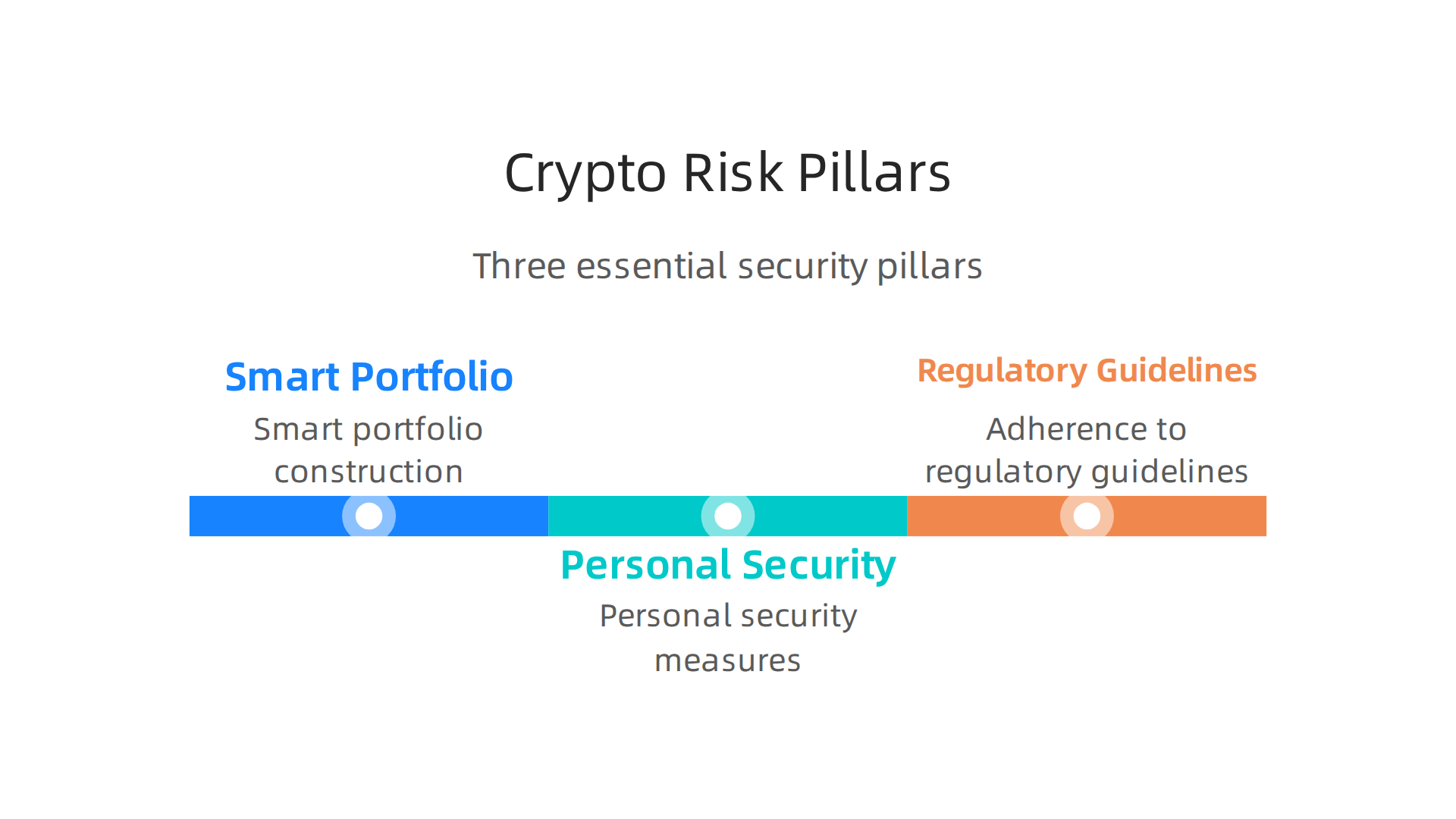
1. Build a Smart Portfolio, Not a Pile of Coins
Investing isn’t just about picking winners. It’s about how you put them all together.
- Use the "Core and Satellite" Approach. Think of your portfolio as a solar system. Your "core" is your biggest, most stable holding. This could be Bitcoin if you’re asking should you invest in bitcoin now. It’s the center. Your "satellites" are smaller, riskier bets for growth, like a new memecoin trading idea or a crypto cardano project you believe in. This way, one bad satellite doesn’t destroy your whole system.
- Diversify Across Different Ideas. Don’t just buy five different smart contract platforms. That’s not real diversification. Spread your risk across different types of assets. A little Bitcoin, a platform token like solana coin, a DeFi token, and maybe a small amount in a stablecoin. This way, if one sector of the market has a problem, your entire portfolio isn’t hit.
- Position Sizing is Your Safety Net. We said it before, but it’s worth repeating. Your satellite investments should be money you can afford to lose. Never use rent money or emergency funds to chase the new bitcoin to invest in.
2. Take Your Security Personally
When you move crypto off an exchange to your own wallet, you become your own bank. Security is now your full-time job.
- Understand Hot vs. Cold Wallets. A "hot wallet" is connected to the internet, like a mobile app. It’s convenient for small, frequent transactions. A "cold wallet" is a hardware device (like a USB stick) that stores your crypto offline. For any significant amount of crypto you plan to hold, a cold wallet is the gold standard. It’s the safest place to store your answer to which crypto to invest in for the long term.
- Beware of Phishing Like the Plague. This is the #1 way people get hacked. You get an email, text, or social media message that looks real. It might promise a fake pepe coin price surge or warn about your binance coin account. It has a link. Do not click it. Always go directly to the official website by typing it yourself. A report from early 2026 noted that scams and rug pulls contributed to over $112 million in losses in just one month.
- Use Strong, Unique Tools. Always enable two-factor authentication (2FA) on every account, using an app like Google Authenticator, not SMS. Never reuse passwords. Write down your wallet’s secret recovery phrase on paper and store it somewhere very safe. Never, ever store it on your computer or phone.
3. Don’t Forget the Rules (Taxes & Regulations)
The government wants its share, and the rules are changing fast. Getting this wrong can turn a good investment into a big headache.
- Keep Impeccable Records. Every time you buy, sell, trade, or earn crypto, it’s a taxable event in most countries. Use a portfolio tracker or a simple spreadsheet. Log the date, amount, price in your local currency, and what the transaction was for. This will save you days of panic during tax season.
- Understand Your Local Obligations. Is crypto taxed as property or as an asset? Do you owe capital gains tax? The rules vary wildly by country. A little research now can prevent a scary letter later.
- Stay Informed on Regulation. New laws like Europe’s MiCA are creating clearer rules for the industry. These regulations aim to improve fraud investigations and asset recovery, which is good for everyone’s safety. Knowing the rules helps you invest confidently and avoid troublesome platforms.
Managing risk isn’t about being scared. It’s about being smart. It lets you explore the potential of assets like xrp coin or solana coin without losing sleep.
You protect your capital so you can keep playing the game tomorrow.
Keeping up with all this security and changing regulations can feel like a second job. If you want clear, step-by-step guidance on safety and smart investing without the overwhelm, join our free community at Clicks and Trades. We break down complex topics so you can focus on growing your portfolio with confidence. Sign Up for free tips and insights delivered straight to you.
Summary
This article gives a practical, trust‑first framework for choosing which cryptocurrencies to invest in amid the more mature yet complex 2026 market. It explains key macro trends—such as institutional adoption, clearer regulation, and the rising role of stablecoins—and walks you through a five‑pillar due diligence checklist covering technology, team, tokenomics, market fit, and regulatory posture. You’ll learn how to vet stablecoins by examining reserve structures, attestations versus full audits, and peg‑maintenance mechanisms, plus how to classify candidates (store‑of‑value, smart‑contract platforms, stablecoins) for a watchlist. The guide also shows how to evaluate volatile growth assets, manage position sizing, and protect holdings with security best practices like cold wallets and 2FA. Practical examples (e.g., Bitcoin, Ethereum, Solana, USDC, USDT, DAI) illustrate the approach, and the piece stresses regular recordkeeping for taxes and compliance. After reading, you’ll have a clear, repeatable checklist to research coins, choose stablecoins wisely, and build a safer, better‑balanced crypto portfolio.